Paul Weyrich was an enigma. He co-founded the Heritage Foundation and its message of limited government and getting rid of wasteful spending. Before his death, he shepherded getting federal money to build this pointless streetcar “system” in Kenosha, Wisconsin.
Kenosha had been the location of American Motors (run by Mitt Romney’s father. After Chrysler bought AMC (they mostly wanted Jeep, which AMC owned), Chrysler shut the plant and tore it down. The idea was to redevelop the land and build high density luxury housing and a big retail center. Streetcars would run in a loop about a mile from the train station to the shopping center.
6 streetcars were acquired. The shopping center was not built. The high end condos for people working in Chicago and commuting didn’t work out – Wisconsin has a really high income tax. Luxury condos turned into section 8 apartments.
The two miles of track can only support 3 running at once or the transformer trips out. There are on again off again plans to expand it into an LRV system if only more money can be gotten out of the Highway Trust Fund (which is where your gasoline taxes go)
Streetcar Brad apparently has a full time job tinkering with the streetcars (mostly built after WW2). I fell off his bandwagon when he posted a YouTube video of his trip to Madison to protest the changes made by the new Republican governor and legislature.
So the East Troy museum donated 2 PCC streetcars, making the total now 8. This probably means more money is needed to expand the carbarn so the new cars don’t rust outside in the weather.
I envision the word “Lionel” emblazoned on those streetcars any day now.
http://dnr.wi.gov/org/aw/rr/archives/pubs/RR762.pdf
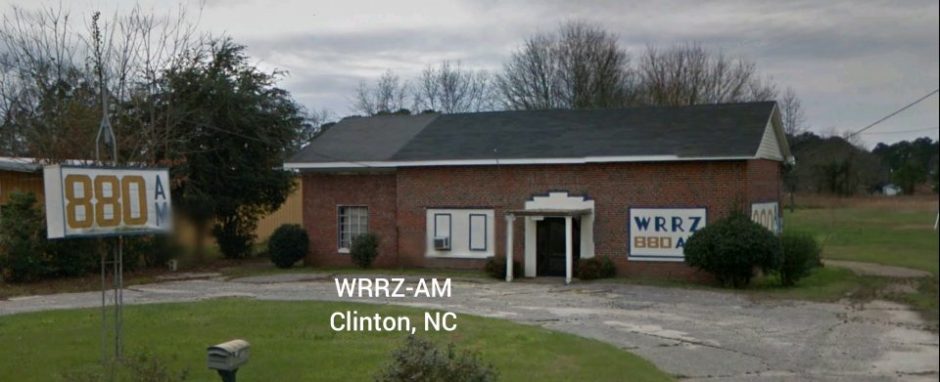
The AM station in Kenosha is one that still has significant local programming. That’s how I heard this news.
The streetcar “system” seems to mostly be an irritant to the people who live there. It’s only used once a year in any meaningful way – for the July 4th fireworks. But even then, how many people can you squeeze into 3 streetcars?
Imagine for a second you were a Chicago professional worker who rides Metra commuter rail into downtown Chicago and bought a condo close to Lake Michigan on a reclaimed industrial site.
Chicago and Wisconsin are on Central time, but work like they’re on New York time – 7am-4pm is a typical work schedule.
http://metrarail.com/metra/en/home/maps_schedules/metra_system_map/up-n/schedule.full.html
The first train in the morning leaves Kenosha at 5:51 AM and arrives at downtown Chicago at 7:30 am…. figure another half hour to walk through downtown to get to your office… so the earliest you can get to work is 8 AM (9 AM in New York)
The farthest residential building from the train station is about 3,300 feet – about 10 blocks. Typical normal walking speed for a young person is about 5 ft/second – so walking 3,300 feet would take about 11 minutes.
So how much time would it save to take the streetcar to the train station? Originally, the schedule was every 20 minutes. The thing is an oval – it goes outbound on one street, turns around at the empty park and then heads back into “downtown” one block to the North. You might walk one block North to try to catch it there, or catch it on the south street and ride it outbound, I assume it lays over at the train station, but I don’t know that for sure.
So on average, you’re going to wait 10 minutes for the streetcar to arrive and another5 minutes riding it. If there is a problem and it never comes, the next train is about 25 minutes later and gets to downtown Chicago at 8:02 PM.
But hold on…. the streetcar doesn’t start running until 10:05 AM and ends for the day at 2:05 PM
http://www.kenosha.org/departments/transportation/
So maybe you’re thinking – well, maybe I’ll ride it in winter. Sorry, it’s closed in January and February except on the weekends. Some problem about jurisdiction over who is responsible for cleaning the snow off the tracks, which aren’t in the city street for much of the route.
If it’s designed anything like the $2 BILLION “light rail” boondoggle in Phoenix, there will be at least one ‘accident’ per week… followed by the obligatory municipal lawsuits.
Phoenix built rail lines down the center/median of surface streets, and there has been (on average) at least one collision per week involving cars or pedestrians… in fact, there are now a few attorneys who advertise ‘light-rail’ accidents as their specialty.
Denver has done a better job with the design of their commuter rail… however, as in Phoenix, ridership is subsidized and it will probably never show a profit or break even.
Since this is an interest of mine, I remember a 60 minutes expose of the transit lawsuit racket that was done close to the end of the Streetcar service in Philadelphia (which came back in a limited way a couple years ago).
SEPTA set up a “sting”. They staged a fake accident with cameras running. The streetcar pulled out of the carbarn and was empty except for the driver and the people involved in documenting the “sting” and 60 minutes. It reached the point of the “accident” where a SEPTA owned car was in the street. The driver put out the call that the streetcar had been involved in an accident.
Within a couple minutes, people were showing up on the scene trying to get onto the streetcar to claim they were injured. Then the lawyers showed up and SEPTA waited for the claims to come in from people who said they were riding on a streetcar that was empty.
Even when confronted with the video of the entire operation and told that there was no accident and it was a sting designed to uncover fraud by the attorneys, several of them still went to court. I think it ended up costing SEPTA several million dollars. Juries want to hand out lottery winnings from the government to the members of their communisty, and it doesn’t matter what the facts are.
Hmmm, that could explain why many of the accidents seem to occur in the more ‘ethnic’ areas of Phoenix. Habla espanol?
Some of the wrecks are the result of a bad design. I saw video of one wreck which made me question the signaling system…
i.e. You can’t take a sprawling metro area which has been built entirely around the automobile as the sole mode of transportation and then suddenly put trains on the streets.
I grew up in Pittsburgh, which was exactly the opposite. Because it is so hilly and virtually no flat land, the harsh winters, the city streets were narrow and car hostile. The city was very slow to build freeways and there has never been significant parking in downtown. People didn’t need a car. There were around 100 different streetcar lines at the peak, as well as interurbans to Washington PA and Charleroi (until the 1950s).
The ciy was full of “safety islands” – a place in the street where people stood protected from traffic by a very large chunk of concrete. People with cars grumbled about how hard it was to drive with the rails in the streets (and the potholes between the rails) and dodging the safety island’s but they didn’t win the day.
In addition to the Federal “free bus” program, the other thing that killed Pittsburgh’s extensive streetcar system was a series of devestating transit strikes in the 1950s and 60s. With people totally dependent on mass transit to get to work, that forced those people to buy cars, fix up their garages that had been built to Model T widths and find somewhere to park downtown.
The streetcar drivers were some of the best paid people in the city. It was much nicer work than working in the steel mills (unless you had the late night runs to Wilkinsburg, in which case you had a short life expectency – until the drivers stopped carrying money to make change),
I have a cousin who was married to a streetcar driver. They had 5 kids and despite the good money he was making, they somehow gave a lot of their money to their church and managed to qualify to live in low income housing. I wonder what ever became of them…
We have met the enemy and they are us.
–Pogo