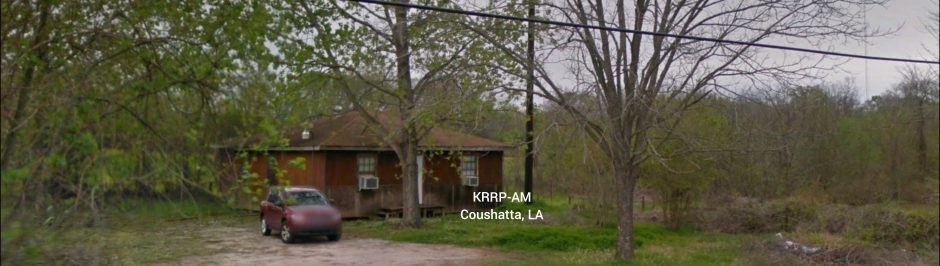
The FM Translator business is booming. About a year and half ago, the FCC gave its blessing and encouragement for FM translators to be used to rebroadcast the signals of AM stations (and more recently HD2 digital channels without a primary FM analog signal).
When the FM Translator license window was thrown open about 10 years ago, preferences were given for religious non-commercial owners to get first in line to snap up all the licenses for their satellite delivered preacher talk networks, including in the commercial part of the FM band – and now those licenses are being sold off at significant profit to commercial radio station operators. The prices of FM translator licenses are coming in the range of what a weak full power FM license costs. Adding to the incentives is that FM translators do not count against FCC ownership limits.
An FM Translator is currently limited to 250 watts which limits it to a relatively short range, but if mounted high enough can still be a valuable asset, especially in a major market. The device itself is very small and quite portable. All the translator needs is a way to “hear” its primary station, either “over the air” or these days more likely over the Internet and a power source (and the FCC license of course).
I realized this morning that I haven’t been properly updating which stations are carried on which translators – as these things are now constantly changing. That should be fixed. I’ve also added the frequency and power to the translator list for a station, for example: WQMR-AM in Ocean City MD
http://streamingradioguide.com/streaming-schedule.php?stationid=3173
The rule about FM translators is they fall into two groups – those whose signal lies entirely within the service area of the primary station (fill in translators), or translators that rebroadcast signals out in the area in between other stations (non fill-in translators) that are (usually) limited to being owned by third parties or non-commercial operations – you probably know them most often as the small town signals for your state wide NPR network.
So if you’re the holder of a non fillin license, you apply to move your translator inside the service area of a commercial radio station, then sell the license to the commercial radio station and Profit! (in a non-profit way of course). Isn’t America wonderful? George Bush must really be proud of what he did to help religious broadcasters spread The Word.